4
The Nutcracker: A Holiday Masterpiece
Yesterday, we delved into the hidden mechanisms of the Paris Opera. Today, we step into the spotlight to explore a legendary ballet: The Nutcracker, a cornerstone of the classical repertoire.

The synopsis
In 1892, the Mariinsky Theatre in St. Petersburg premiered The Nutcracker, inspired by E.T.A. Hoffmann’s tale The Nutcracker and the Mouse King. The ballet begins on a gentle Christmas Eve, as Clara (or Marie, depending on the version) receives a wooden nutcracker from her godfather. When the house falls asleep, the toys come to life, and mice invade the parlor. Brave Clara defends her cherished gift, which—amid the battle—transforms into a prince and whisks her away to the Kingdom of Sweets. A magical journey unfolds.
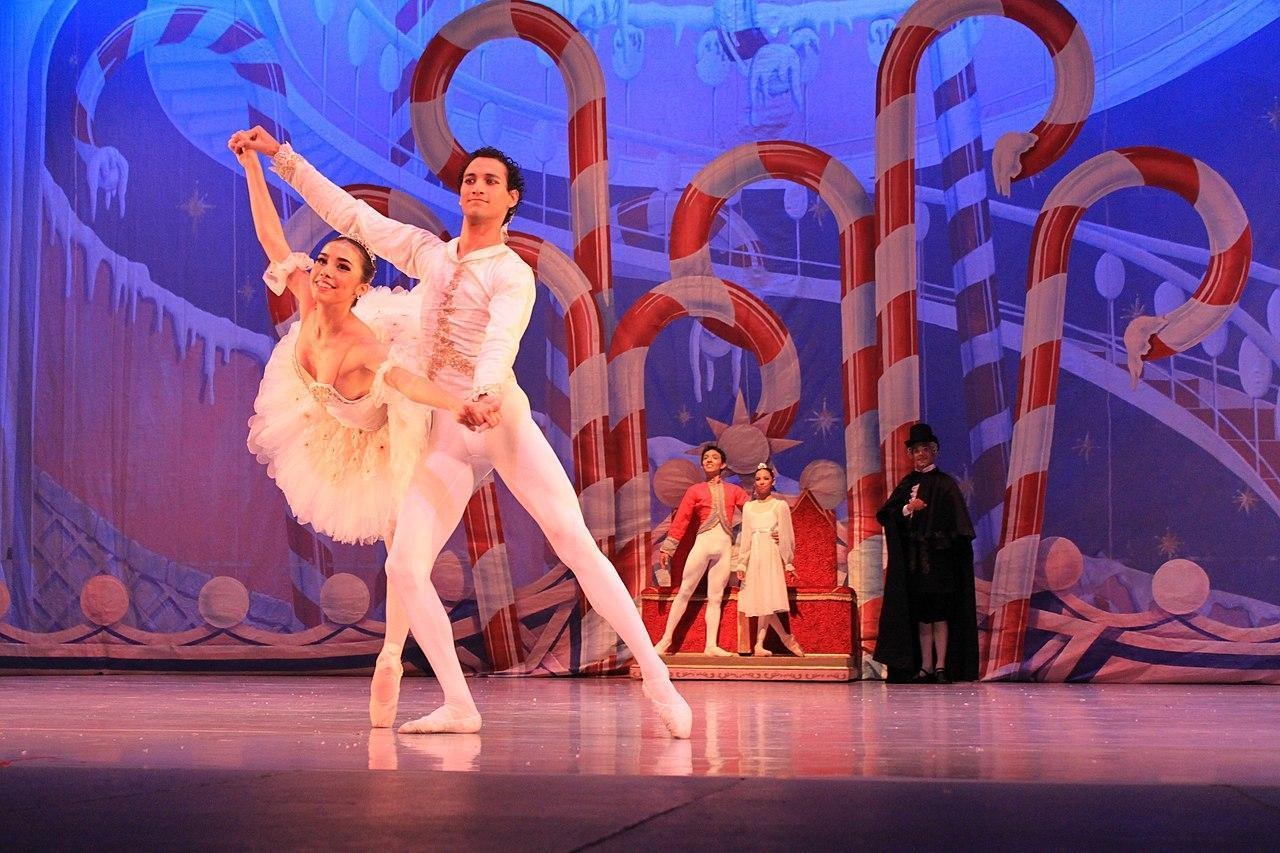
Many pieces from this ballet have become globally iconic, echoing far beyond the concert hall. Today’s playlist features Tchaikovsky’s score, which brings to life dances from around the world: Spanish, Arabian, Russian (with its lively Trepak), and, of course, the celebrated Waltz of the Flowers.
In the Dance of the Sugar Plum Fairy, Tchaikovsky introduces the crystalline notes of the celesta—a keyboard instrument whose hammers strike metal plates, lending The Nutcracker its enchanting, otherworldly atmosphere.
Did you know?
The Nutcracker graces the stage of the Paris Opera today thanks to the vision of one of its legendary directors, Rudolf Nureyev, a 20th-century dance icon.
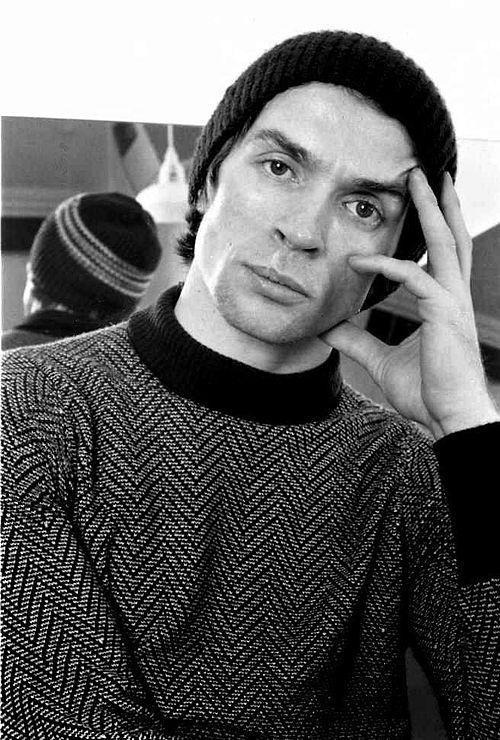
During his tenure, the Siberian-born dancer profoundly shaped the classical repertoire, reimagining ballets like Swan Lake, Sleeping Beauty, and The Nutcracker. In his version of The Nutcracker, Nureyev didn’t soften the tale but embraced the eerie, dreamlike world of Hoffmann, where fantasy and nightmare blur. The Paris Opera’s premiere took place on December 20, 1985.
Tomorrow, we’ll leave the snowflakes behind to explore the largest country in the Southern Hemisphere. Can you guess which one?